You may already have heard of dopamine – it is one of the main “happy” hormones in the brain. It works as a chemical messenger that links different activities with a feeling of reward. When you do something pleasant, your brain rewards you with a dose of dopamine, and that motivates you to do it again. Thanks to dopamine, we want to learn new things, be active and enjoy life.
How dopamine works and why we get “hooked” on it so easily
These days, though, we are literally bombarded with quick hits of dopamine – phone notifications, social media, sweets, videos, games… All these things give us instant gratification, and the brain quickly gets used to it. The more of these “quick rewards” we get, the more we crave them. Gradually, though, ordinary everyday experiences start to seem less interesting and the joy we take in them fades.
When we overdo the dopamine stimuli, we can start to feel tired, lose motivation, feel restless inside or even burn out. Suddenly nothing brings us joy and we feel we constantly need something new, something stronger.
Why it’s good to have a “dopamine detox” now and then
Every so often it’s good to give your brain a break from the constant flood of stimuli. When you cut back on all those quick sources of dopamine for a while, your brain starts to appreciate ordinary things again – a walk, good food, a chat with a friend. Your concentration, inner calm and joy in life will all improve.
One of the best ways to truly rest is darkness therapy.
Darkness therapy: how it can help calm your mind
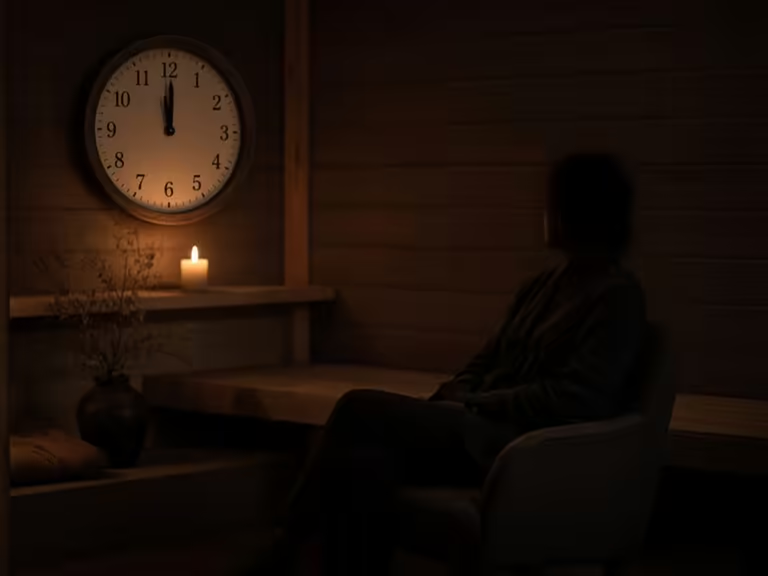
Darkness therapy means going into complete darkness and silence for a few days. No light, no sounds, no phones or internet. Just you and your thoughts. For the first few days you may feel that nothing is happening, but that is exactly where the magic lies – your brain can finally stop and rest from constantly processing information.
What happens in the dark?
- Fewer stimuli, more calm: Your brain gets the chance to regenerate and slow down.
- Better sleep and relaxation: Darkness supports melatonin production, so you sleep better and relax more overall.
- Greater self-awareness: When nothing is distracting you, you start to notice your thoughts, feelings and body more. You can get clear on what matters to you.
- Restoring the dopamine system: After a dark retreat, even ordinary things will seem more joyful and interesting. You will gain a fresh perspective and new energy.
“Darkness therapy is like a holiday for your brain. In the first days you shed surplus thoughts and gradually settle into calm. When you have nothing to distract you, you really start to give your attention to yourself.”
Who is darkness therapy suitable for?
If you feel tired, restless inside, unmotivated, or you simply long for deep rest, darkness therapy is a great choice. It will help you calm your mind, recharge and find joy in everyday things again. But if you are afraid of the dark or have serious mental health problems, it is better to talk to a professional first.
In short: switch off the world, switch on yourself
Dopamine is great, but too much of it can wear us out and dull us. Darkness therapy gives you the chance to switch off the world around you for a while, calm down and rediscover the joy of ordinary things. It’s not an escape, but a way back to yourself and to real well-being. So, will you give it a try?