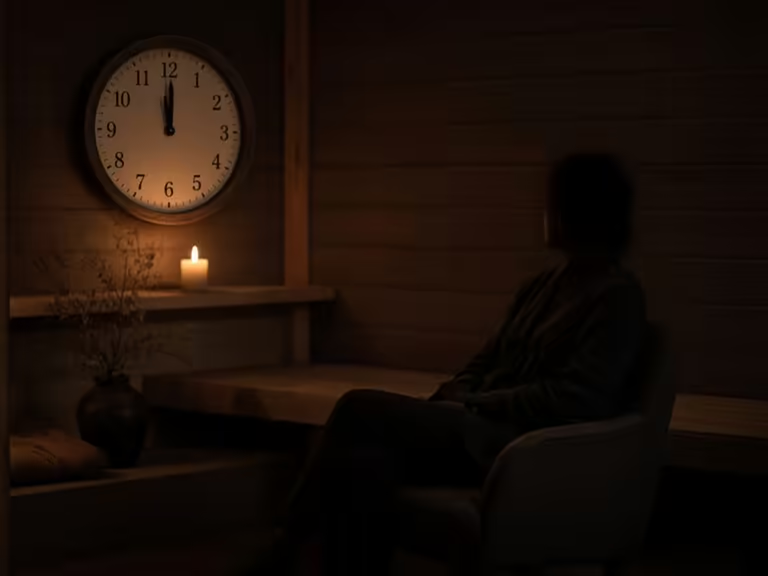
Burnout syndrome is a serious condition that affects more and more people in today’s rushed times. It shows itself as physical and emotional exhaustion, cynicism and reduced productivity. One of the innovative methods that can help in treating it is darkness therapy. Let’s look at how this approach works and what benefits it can bring to people suffering from burnout.
Symptoms of burnout
Before we turn to treatment, it is important to recognise the symptoms of burnout syndrome:
- Chronic fatigue and exhaustion
- Sleep disorders
- Problems with concentration and memory
- Physical symptoms such as headaches or gastrointestinal problems
- Emotional exhaustion and feelings of hopelessness
- Cynicism and detachment from work and personal life
Darkness therapy as an innovative approach to treating burnout
Darkness therapy, also known as sensory deprivation therapy, involves staying in a completely dark environment for a certain period of time. This approach can be an effective tool in tackling burnout syndrome for several reasons:
- Deep relaxation: Darkness supports the production of melatonin, the sleep hormone, which leads to deep relaxation and regeneration.
- Stress reduction: Limiting external stimuli helps lower levels of cortisol, the main stress hormone.
- Better sleep quality: A dark retreat can help restore a disrupted circadian rhythm, which is often a problem for people suffering from burnout.
- Space for introspection: Darkness offers a unique opportunity for self-reflection and processing emotions.
- Restoring cognitive function: A break from visual stimuli can help improve concentration and memory.
How does darkness therapy work?
Darkness therapy usually involves staying in a specially adapted dark room for several days. During this time the participant is completely isolated from external visual stimuli. The therapy can be complemented by other techniques, such as meditation or breathing exercises, which can deepen its effect.
Other ways to treat burnout syndrome
Although darkness therapy can be an effective tool, it is important to combine it with other approaches to treating burnout:
- Psychotherapy, especially cognitive behavioural therapy
- Lifestyle changes, including regular exercise and a healthy diet
- Mindfulness and relaxation techniques
- In some cases, medication under a doctor’s supervision may also be appropriate
Conclusion
Burnout is a complex problem that calls for a thoughtful approach to treatment. Darkness therapy is an innovative method that can make a significant contribution to restoring physical and mental strength. Combining this therapy with more traditional approaches can offer an effective way to overcome burnout syndrome and return to a full life. It is important to remember, however, that everyone is different, so treatment should always be tailored to individual needs and discussed with a professional.