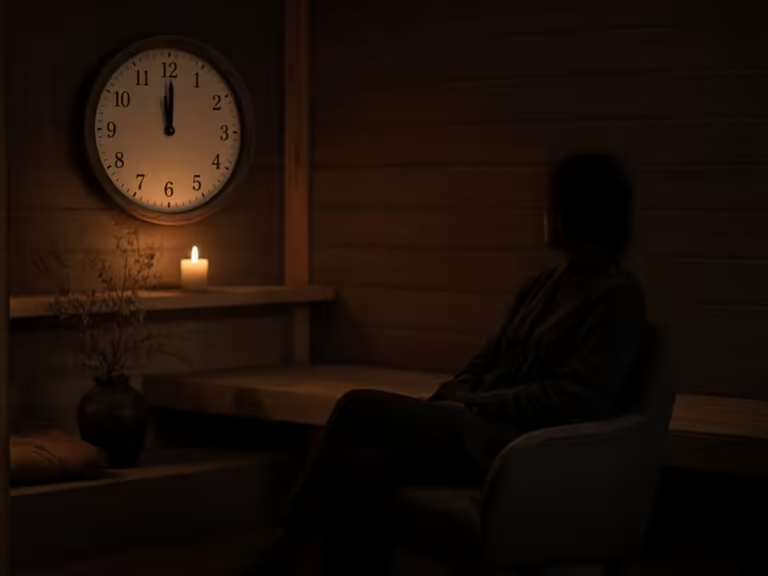
In an age when we are constantly bombarded with stimuli, it can be hard to find calm and balance. Sensory therapy and sensory deprivation offer a unique approach to caring for mental health, with darkness playing a key role in the process. Let’s look at how these methods work and what benefits they can bring.
What is sensory deprivation?
Sensory deprivation is a process in which external sensory stimuli are reduced or removed entirely. The technique can involve spending time in darkness, in silence, or in an environment with reduced gravity, such as flotation tanks.
The main forms of sensory deprivation:
- Darkness therapy
- Flotation therapy
- Sound isolation
Sensory therapy: a path to balance
Sensory therapy, on the other hand, uses targeted stimulation of the senses to achieve therapeutic effects. Where darkness is involved, it is often combined with a gradual return to light and other sensory stimuli.
Darkness as a therapeutic tool
Darkness plays a fundamental role in both approaches. In sensory deprivation it serves to limit visual stimuli, while in sensory therapy it can be used as the starting point for gradual stimulation.
The benefits of darkness therapy:
- Reduced stress and anxiety
- Better sleep quality
- Support for introspection and self-knowledge
- Increased creativity
How sensory deprivation affects the brain
During sensory deprivation, several interesting processes take place in the brain:
- Increased production of theta waves, which are associated with deep relaxation and creativity.
- Reduced activity in the parts of the brain responsible for processing sensory input.
- Heightened sensitivity to inner stimuli and emotions.
Practical uses of darkness in therapy
Flotation therapy
Flotation therapy combines sensory deprivation with a state of weightlessness. Participants float in warm, salt-saturated water in a dark, silent environment.The benefits of flotation therapy:
- Deep relaxation
- Pain relief
- Improved concentration
Darkness therapy
Darkness therapy involves staying in a completely dark room for several days. This intense experience can lead to deep insights and transformative experiences.What you can expect during darkness therapy:
- An initial period of adaptation
- Changes in the perception of time
- Heightened sensitivity to inner processes
- Potential meditation-like experiences
Sensory therapy and the gradual return to light
After a period of sensory deprivation, sensory therapy can help with a gradual return to normal perception. This process may include:
- Gradually increasing the intensity of light
- Gentle sound stimulation
- Aromatherapy
- Tactile stimulation
Safety and contraindications
Although sensory deprivation and sensory therapy can be very beneficial, they are not suitable for everyone. People with certain mental health conditions or claustrophobia should consult a professional about their condition before starting therapy.
Conclusion
Sensory therapy and sensory deprivation, especially when they make use of darkness, offer fascinating possibilities for improving mental health. These methods allow us to detach from the constant flow of external stimuli and immerse ourselves in the inner world of our thoughts and emotions. Whether you opt for flotation therapy, darkness therapy or another form of sensory therapy, you can expect a unique experience with the potential to positively affect your mental and physical health.
Remember that every person is unique, and so reactions to these therapies can vary. It is important to approach these methods with an open mind and respect for your own limits. With the right approach and guidance, sensory therapy and sensory deprivation can open the door to a deeper understanding of yourself and an overall improvement in quality of life.